
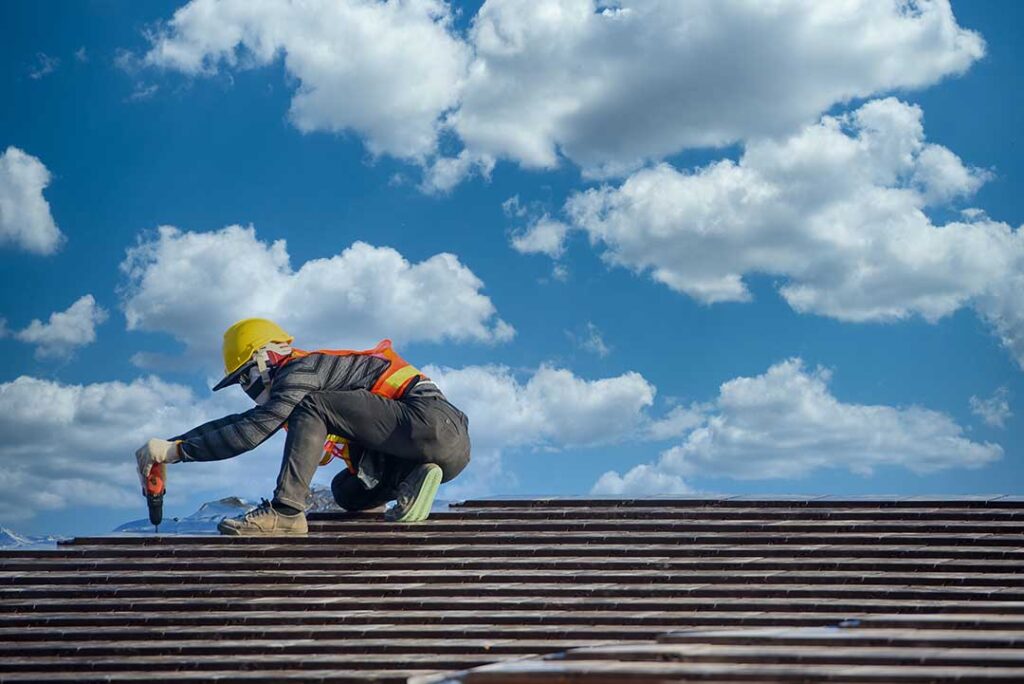
Why Would Someone Need to Walk on Their Roof in Mexico, NY?
Area households may find themselves needing to access their roof for various reasons—cleaning out gutters to avoid ice dams, inspecting for storm damage after a windy season, clearing off moss or leaves, or checking a chimney. Due to the significant snowfall in the region, roof access is sometimes necessary to prevent ice buildup or clear heavy accumulations. However, even routine tasks come with real safety considerations.
Is It Safe for Residents to Walk on Their Own Roof?
Generally, walking on a roof carries risk. The pitch, material, and current weather directly affect how safe it is to walk on. Even familiar neighborhood homes can present unexpected hazards, and wet or icy roofs are particularly dangerous in the local climate. Many residents opt to avoid getting on the roof entirely, using long-handled tools from the ground for light tasks. Physical mobility, fear of heights, and proper footwear are also major factors to consider.
For steep or tall roofs, or if the roof is damaged, walking on it is not recommended due to the danger involved. In these cases, local safety guidance often advises staying off until conditions can be fully evaluated.
What Preparation Steps Should Be Taken Before Walking on a Roof?
Before setting foot on any roof:
- Choose a day with dry, clear weather. In Mexico, melted snow can linger for days, so check shady areas for ice.
- Dress in non-slip, soft-soled shoes or boots. Footwear with rubber soles provides better grip, especially on asphalt shingles common in area homes.
- Never walk on a roof alone. Always inform someone, and ideally have a spotter with you on the ground.
- Inspect the roof from inside your attic and from the yard for obvious weak spots, loose shingles, or sagging. Local seasonal weather can quickly compromise the integrity of older roofs.
- Clean pathways and remove any debris from your planned route ahead of time.
- Gather any tools before climbing up, using a tool belt or bucket on a rope to avoid unnecessary trips.
How Should Ladders Be Used for Safe Roof Access?
Reliable roof access starts with placement of a proper ladder.
- Position the ladder on stable, level ground—avoid soggy areas next to the home after a thaw.
- The ladder should extend at least three feet beyond the edge of the roof for secure handholds.
- Secure the top of the ladder to a solid anchor if possible; gutters can easily bend or break under load.
- Angle the ladder so that for every four feet of ladder height, the base is one foot away from the house.
- Double-check all locks or extension latches before climbing.
Always face the ladder when ascending or descending, keep at least one hand on the rungs, and do not rush. In Mexico, wind gusts can pick up suddenly, so keep both balance and weather in mind.
What Should Residents Know About Different Roofing Materials?
Each roofing surface presents different challenges.
- Asphalt shingles, the most common in the city, provide decent traction when dry but are slippery if wet, frosty, or mossy.
- Metal roofs, increasing in popularity for their resilience against local snow, can be hazardous to walk on due to their slick surface.
- Tile roofs are rare locally, but are fragile and prone to breakage underfoot.
- Flat roofs may offer safer footing, but their surfaces can develop hidden ice patches or standing water.
Regardless of the material, avoid stepping near the eaves or on visibly damaged areas. Weight concentrated in the wrong spot can cause sudden leaks or even structural failure, especially on aging or previously repaired roofs.
What Techniques Help Maintain Balance and Minimize Risk?
Moving carefully makes a big difference.
- Keep your center of gravity low by walking upright but with bent knees, distributing weight evenly.
- Take short, deliberate steps. Avoid sudden turns or losing focus, especially if cleaning up debris or using tools.
- Walk along the framing (visible as slightly raised or firmer areas underfoot) whenever possible, as this is where the structure is strongest.
- Never step on areas that seem spongy, as these may be weak or water-damaged.
- If you need to carry tools or materials, keep them in a secure belt or bag to keep hands free for balance.
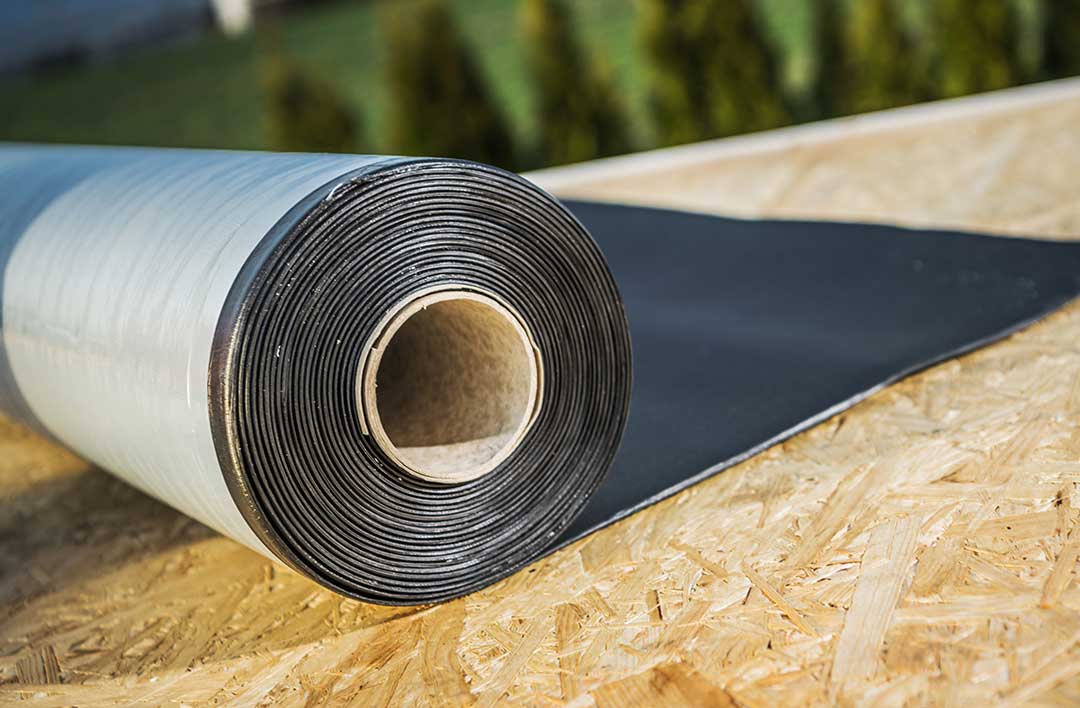
A common local misconception is that thick winter boots provide enough grip—they can actually reduce sensitivity and cause slips. Proper soft-soled shoes are more effective, even during cold-weather chores.
When Should Local Residents Consider Remaining Off the Roof Entirely?
If any of the following apply, rooftop access should be avoided entirely to prevent injury:
- The roof is steeply pitched (more than 6/12 pitch, which is relatively common on some historic homes in the city).
- It is icy, wet, mossy, or covered in snow, even in small sections.
- There is visible structural damage, sagging, or the presence of soft spots.
- The wind is stronger than a gentle breeze; gusts in the area can quickly throw a person off balance.
- Residents have concerns about their own balance or physical stability or have medical restrictions.
- The property insurance or local safety recommendations specifically forbid unauthorized roof access.
Local regulations do not specifically prohibit residents from walking on their own roofs, but property insurance policies often discourage the practice due to the risk of falls or damage. Whenever in doubt, safety comes first.
What Are Safe Alternatives for Common Rooftop Tasks?
For tasks that do not absolutely require stepping onto the roof, alternatives include:
- Using a telescoping gutter tool or roof rake for leaf and debris removal from the ground.
- Inspecting the roof using binoculars or a camera with zoom, especially after storms.
- Cleaning off moss or algae from the edge only, using long-handled tools.
- Checking attic spaces for water stains or daylight peeking through, which can signal problems above.
For persistent or high-risk issues, staying grounded is the safest option, particularly during seasonal weather events common in the region.
