
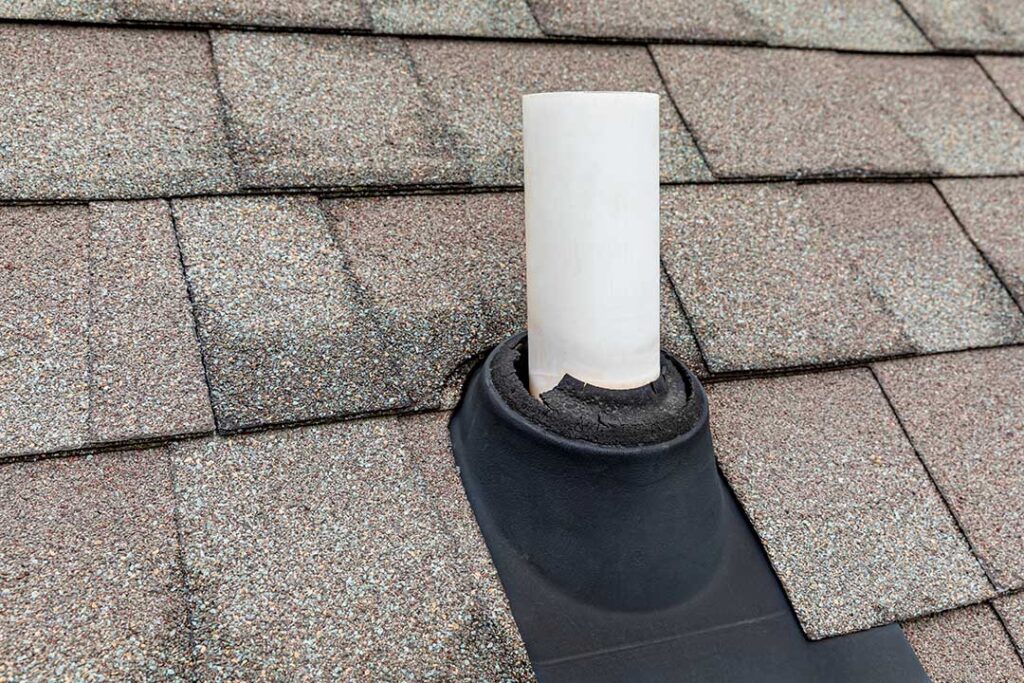
What Are Roof Coatings and How Do They Work?
Roof coatings are protective layers applied to the surface of an existing roof, designed to improve performance and extend roof life. These products are typically made from acrylic, silicone, asphalt, or polyurethane, and are applied as a liquid that cures to form a seamless membrane.
Locally, homeowners often consider coatings to address aging roofs or to add a layer of defense against the freeze-thaw cycles, ice, and summer sun experienced in Mexico, NY. While not a remedy for major structural problems, coatings can be a practical option for certain roof types like flat or low-slope surfaces commonly found on residential additions, garages, or porches in the area.
What Are the Advantages of Applying Roof Coatings?
Roof coatings offer several benefits that residents may find appealing, especially given the local climate:
1. Extended Roof Life
- Coatings can add years to an aging roof by providing a barrier against water, UV rays, and seasonal temperature swings.
- For roofs nearing the end of their serviceable life, this approach can delay the need for a full replacement.
2. Energy Efficiency
- White or reflective coatings reduce heat absorption, helping to keep attics and upper floors cooler during hot Mexico summers.
- Some local households notice a modest drop in cooling costs after application on suitable roofs.
3. Leak Protection
- Roof coatings create a seamless, waterproof layer that can help seal minor cracks and prevent small leaks.
- This is especially useful after harsh winters or spring thaws that reveal minor seepage.
4. Environmental Considerations
- Extending a roof’s life means delaying the disposal of shingles and underlayment, reducing construction waste.
- Many coatings are low in volatile organic compounds (VOCs), supporting better air quality compared to some older roofing materials.
5. Minimal Disruption
- Unlike a full tear-off and replacement, applying a coating is less invasive and often takes only one to two days, weather permitting.
What Are the Limitations and Downsides?
Despite the benefits, roof coatings are not a one-size-fits-all solution, especially for Mexico homes subject to heavy snowfall and ice dams.
1. Unsuitable for Extensive Damage
- Roof coatings cannot fix major structural issues, rotted wood, or significant leaks.
- Attempting to coat over these problems can hide urgent repairs and lead to greater damage.
2. Limited Performance in Freezing Conditions
- Coatings may not adhere properly if applied in cold weather or on damp surfaces.
- Application is best scheduled for warmer, dry months—typically late spring through early fall in this region.
3. Shorter Longevity Compared to New Roofing
- Even the highest-quality coatings last 5-10 years, on average, before reapplication may be necessary.
- This is less than typical shingle or metal roof lifespans.
4. Maintenance Needs
- Some coatings develop small cracks or blisters due to the intense freeze-thaw cycles common in the area.
- Regular inspections are important to catch damage early.
5. Possible Slipperiness
- Once applied, coated roofs—especially flat ones—can become unusually slippery when wet, iced over, or even just damp from morning dew, posing a safety risk.
Who Should Consider Roof Coatings in the Local Area?
Roof coatings can be practical for Mexico homeowners with flat or low-slope roofs in reasonable condition looking for added protection rather than total replacement.
- Common scenarios include homeowners noticing small leaks, energy inefficiency, or general aging but who do not have active water damage or sagging.
- For historic or older homes where full replacement is cost-prohibitive or would impact the structure, coatings may offer a temporary solution.
Are There Any Common Misconceptions About Roof Coatings?
Yes, several beliefs often circulate in the community:
Myth: A roof coating is as good as a new roof.
- Fact: Coatings provide protection but do not restore lost structural integrity or address issues hidden below the surface.
Myth: Any type of roof can be coated.
- Fact: Not all surfaces are suitable. For example, steep pitches and damaged shingles are often incompatible.
Myth: Coatings solve ice dam problems.
- Fact: While they may help minimize minor leaks, coatings do not prevent ice dams or address insulation shortcomings, which are common concerns in the area.
What Should Residents Look for Before Deciding?
Before opting for a roof coating:
- Inspect the roof for serious issues such as soft spots, rot, or large cracks, as these require more extensive repair.
- Consider the type of roofing material; most coatings are designed for flat or low-pitch roofs and may not adhere well to all surfaces.
- Review the expected lifespan of the product and whether ongoing maintenance fits the household’s needs.
- Factor in the timing of application—temperature and humidity can affect both installation and durability.
For many Mexico households, reviewing the roof’s current condition and weighing the long-term needs of the property helps determine if coating is an appropriate interim option or a short-term fix while planning for full replacement.
