
What does the roofing process involve?
A roofing project usually follows a sequence: inspection, planning, material selection, preparation, removal, installation, cleanup, and final review. Understanding each stage helps residents recognize what is routine, what requires attention, and how weather can affect the schedule.
The process differs depending on whether the work involves a small repair, a partial replacement, or a complete roof replacement. A roof with isolated damage may need only targeted work, while an aging roof with widespread wear may require removal down to the roof deck.
How does the process begin?
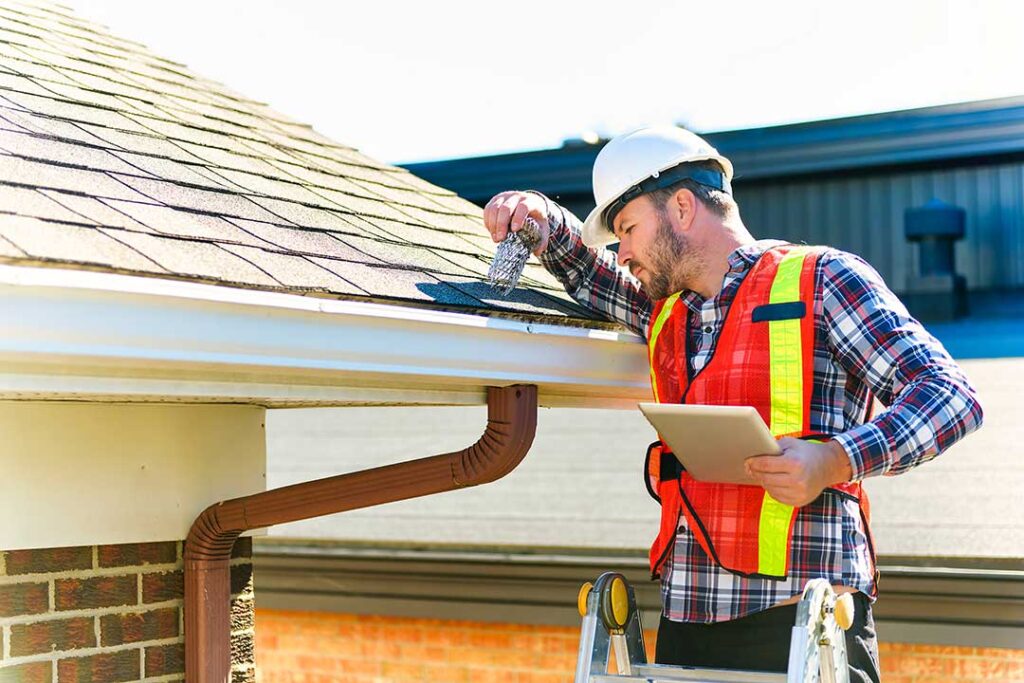
The first step is an evaluation of the roof’s condition. This generally includes looking at the shingles or other roof covering, flashing around openings, drainage areas, attic ventilation, and visible signs of moisture.
Common clues that deserve further investigation include:
- Missing, cracked, curled, or loose shingles
- Dark stains or damp areas on ceilings and walls
- Soft spots in the roof deck
- Granules collecting in gutters
- Rusted or separated flashing
- Sagging roof lines
- Daylight visible through the attic roof boards
An inspection should also consider the roof’s age and history. A roof can appear acceptable from the ground while having hidden problems around chimneys, valleys, skylights, plumbing vents, or areas where snow and ice repeatedly accumulate.
What planning is needed before work begins?
Planning determines the project’s scope and helps prevent surprises. The condition of the roof deck is especially important because shingles and other coverings cannot perform properly if the underlying wood is weakened by long-term moisture.
Before work starts, the property owner should understand:
- Which roof sections will be repaired or replaced
- Whether the existing roof covering will be removed
- How damaged decking will be handled
- Which materials and underlayment will be used
- How flashing and ventilation will be addressed
- How debris, outdoor furniture, gardens, and vehicles will be protected
- How weather delays may affect the schedule
Local requirements can also affect the preparation stage. Building permits, inspection procedures, and material rules may vary by jurisdiction and by the extent of the work. Questions about permits should be settled before materials arrive rather than after construction has begun.
How do seasonal conditions affect roofing in Mexico, NY?
Cold winters, snow, ice, wind, and freeze-thaw cycles can influence both roof damage and installation timing. Ice dams may form when heat escapes into a cold attic and melts snow unevenly. The water can refreeze near the eaves and work beneath roof coverings.
Spring often reveals damage that developed during winter. Summer can provide favorable working conditions, although heat and thunderstorms may interrupt progress. Fall is commonly a busy period because property owners want to prepare for winter, but shorter daylight hours and changing weather can affect scheduling.
Roofing materials also have temperature-related installation requirements. Some asphalt shingles rely on warmth and sunlight to seal properly. In cooler conditions, additional fastening or sealing procedures may be necessary. A roof should not be installed over wet or snow-covered surfaces because moisture can become trapped beneath the new materials.
What happens during roof removal?
For a full replacement, the existing roof covering is commonly removed in sections. This exposes the underlayment and roof deck so damaged areas can be identified.
Removal is more than a cosmetic step. It allows the roof structure to be checked for:
- Rot or water damage
- Split or weakened decking
- Improper previous repairs
- Multiple old roof layers
- Inadequate flashing
- Blocked or poorly designed ventilation
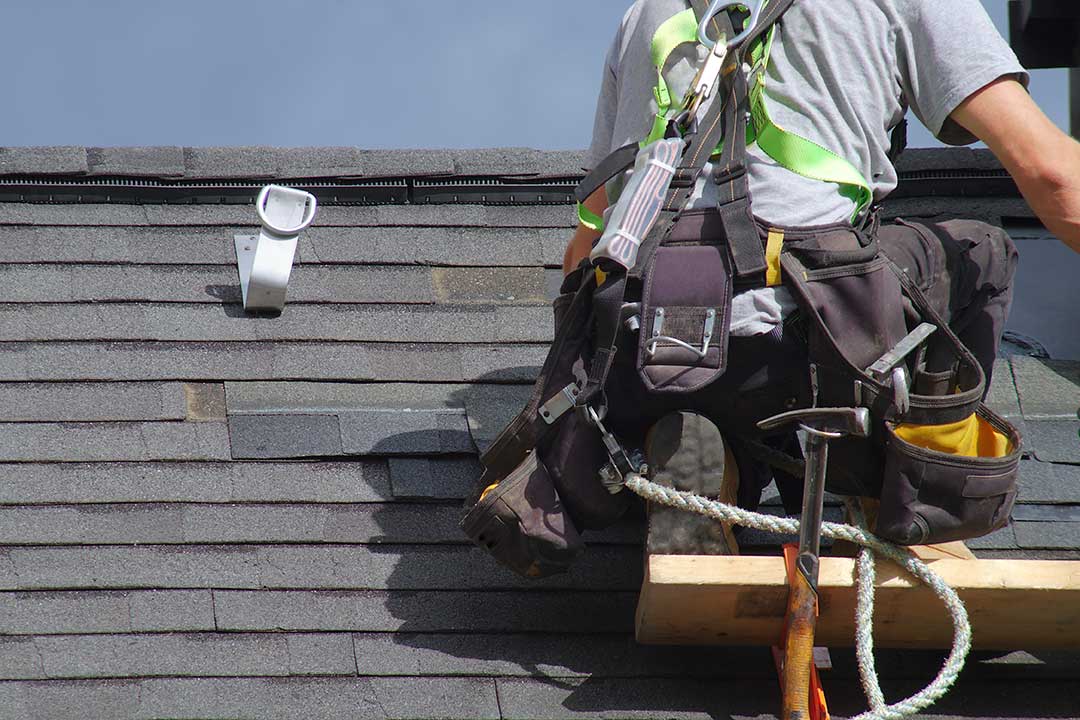
Roofing debris should be controlled throughout this stage. Protective coverings may be placed around landscaping, walls, windows, and paved areas. Nails and other sharp materials can travel beyond the immediate work zone, so cleanup and site safety are part of the process rather than an afterthought.
How is the new roof installed?
Installation usually begins with repairs to the roof deck. After that, the system is built from the deck upward. Depending on the design, the layers may include a water-shedding underlayment, leak-resistant protection at vulnerable edges, flashing, ventilation components, and the final roof covering.
Flashing is used where roof planes meet walls, chimneys, vents, valleys, and other interruptions. These areas are especially important because water changes direction or slows down there. Simply adding new shingles over deteriorated flashing may leave the most vulnerable part of the roof unresolved.
Proper fastening also matters. Nails must be placed in the correct locations and driven with enough pressure to hold materials securely without damaging them. Edges, ridges, valleys, and penetrations require specific installation details because they experience different wind and water conditions.
Is roof ventilation really necessary?
Adequate attic ventilation helps manage heat and moisture, but it is not a substitute for insulation or air sealing. A balanced system generally allows air to enter near the lower roof edges and leave through higher areas.
Poor ventilation can contribute to condensation, damp insulation, mold growth, premature shingle aging, and ice-dam formation. However, adding vents without addressing air leaks from the living space may not solve the underlying problem. The attic system should be considered as a whole, including insulation levels, soffit areas, roof vents, and bathroom or kitchen exhaust ducts.
How long does roofing work take?
A straightforward replacement on a moderately sized roof may take a few days, but the timeline depends on roof size, pitch, material, structural repairs, access, crew size, and weather. Hidden damage discovered after removal can extend the work.
Rain, strong winds, snow, and unsafe temperatures may require pauses. A short delay is generally preferable to installing materials over wet decking or working in conditions that increase fall and handling risks.
Residents should expect some noise, vibration, material deliveries, and temporary changes to driveway or yard access. Keeping children and pets away from the work area is especially important because loose nails and falling materials can remain hazards even after the main installation is finished.
What should be checked after installation?
A final review should confirm that the roof is complete and that the property has been left reasonably clean. Useful items to check include:
- Shingles or other coverings appear properly aligned
- Flashing is installed around roof openings and wall intersections
- Exposed fasteners are limited to appropriate locations
- Gutters and downspouts are clear of roofing debris
- Attic areas show no new signs of moisture
- Yard, walkways, and drive areas have been inspected for loose materials
- Roof ventilation components remain unobstructed
A new roof should still be monitored after the first significant rain, windstorm, or snowfall. Early attention to lifted materials, leaks, blocked drainage, or unusual attic moisture can prevent a minor issue from becoming a larger repair.
Which roof maintenance tasks matter most?
Regular observation is more useful than waiting for an interior leak. After major storms, residents can look from the ground for missing materials, displaced flashing, damaged vents, or branches resting on the roof. Gutters and downspouts should be kept clear so water can drain away from the roof edge and foundation.
Tree limbs that scrape the roof can wear away protective surfaces. Moss and organic debris can retain moisture, especially in shaded areas. Attic inspections can also reveal condensation, damp insulation, staining, or daylight that is not supposed to be visible.
Roofing work is ultimately a system process, not simply the installation of a visible outer layer. Sound decking, reliable flashing, controlled water drainage, proper ventilation, weather-appropriate installation, and careful cleanup all contribute to how well a roof performs through the changing seasons in Mexico.
