
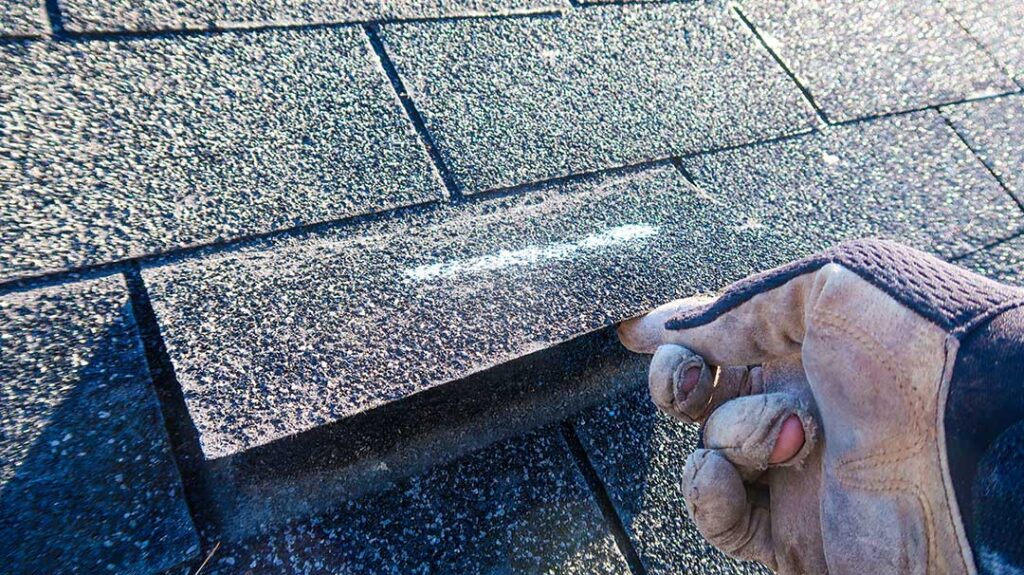
Roof repairs can look simple from the ground, but working above ground changes the risk considerably. In Mexico, NY, weather, roof pitch, ladder placement, ice, and older housing conditions can all affect whether a do-it-yourself project is reasonable.
The safest answer is usually this: minor work at ground level or from a properly positioned ladder may be manageable for a capable homeowner, while work that requires walking on a sloped roof, removing large sections of roofing, or working near electrical equipment is often not a suitable DIY task.
What roof work is usually reasonable for a homeowner?
Small inspection and maintenance tasks can sometimes be done safely if they do not require stepping onto the roof.
Examples include:
- Looking for missing shingles from the ground
- Cleaning leaves from gutters while standing on a secure ladder
- Trimming branches that rest against the roof, provided power lines are nowhere nearby
- Replacing a visible gutter screen from a safe position
- Checking attic insulation, ventilation, or signs of water intrusion from inside the home
- Photographing suspected damage for later evaluation
Even these tasks require planning. A ladder should stand on firm, level ground, remain clear of doors and vehicle traffic, and extend high enough to provide a stable handhold when stepping onto an upper surface. A second person should be present when practical, especially when handling tools or repositioning a ladder.
A homeowner should not treat a ladder as a substitute for a complete fall-protection system. OSHA guidance identifies falls as a leading cause of deaths in residential construction and generally requires protection for workers exposed to falls of 6 feet or more in residential construction settings. ([osha.gov](https://www.osha.gov/residential-fall-protection/guidance?utm_source=openai))
When is walking on the roof unsafe?
Walking on a roof becomes significantly more hazardous when the surface is steep, wet, icy, fragile, or covered with loose debris. A roof that appears dry may still be slick from overnight frost, condensation, algae, or fine granules.
Roof access should be postponed if:
- Snow or ice is present
- Rain has recently fallen
- Wind makes ladder handling or balance difficult
- The surface is damp from dew or frost
- Shingles are brittle, curling, loose, or heavily worn
- The roof has a steep pitch
- The roof contains skylights, fragile panels, or concealed openings
- You cannot identify a safe place to stand and move
These conditions are especially relevant in the Mexico area, where seasonal freeze-thaw cycles can leave ice in shaded roof sections, gutters, and ladder footing areas even after the rest of the property appears clear.
A common misconception is that dry weather automatically makes roof work safe. Temperature is only one factor. Wind, roof angle, surface condition, footwear, fatigue, and the need to carry materials can create serious fall hazards even on a sunny day.
What tools and safety equipment are necessary?
A roof project should not begin simply because a ladder and basic hand tools are available. Safe access may require a properly rated ladder, stabilizers, roof brackets, guardrails, scaffolding, or a personal fall-arrest or restraint system.
A harness alone does not provide protection. It must be connected to a suitable anchor with the correct equipment, and the system must be installed and used properly. An improperly placed anchor can fail or create a dangerous swing-fall hazard.
Before beginning, ask:
- Is the ladder rated for the combined weight of the person, tools, and materials?
- Is the ladder on stable ground rather than snow, mud, ice, or loose gravel?
- Can tools be raised without climbing while carrying them?
- Is there a safe way to move across the roof?
- Is fall protection installed for the entire work area?
- Could a dropped tool injure someone below?
- Are children, pets, and other household members kept away from the work zone?
If the answer to several of these questions is no, the project is not ready to start.
Which repairs are poor choices for DIY work?
Some roofing tasks carry more risk because they involve hidden structural problems, heavy materials, or difficult access.
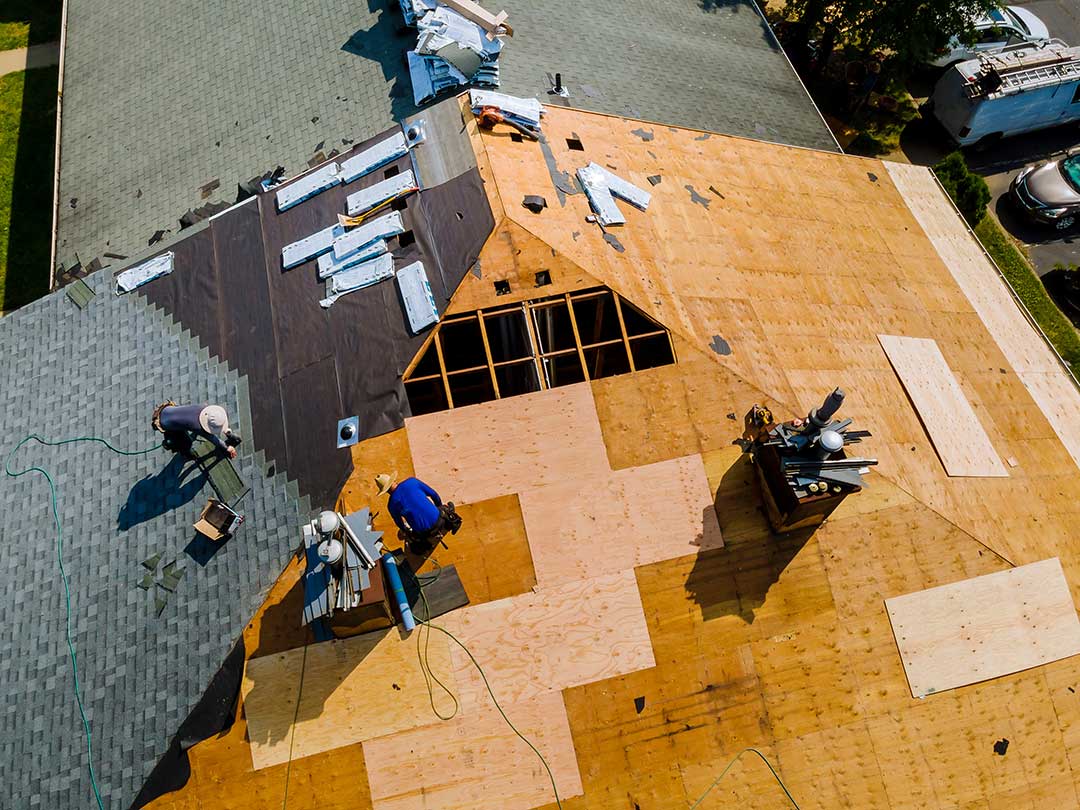
Extra caution is warranted with:
- Replacing large areas of shingles
- Repairing valleys, chimneys, or roof-to-wall intersections
- Working on roofs with multiple levels or unusual shapes
- Repairing sagging decking or damaged rafters
- Removing ice dams
- Installing flashing around skylights or chimneys
- Working near overhead electrical service
- Cutting roofing materials with power tools while elevated
- Handling bundles of shingles on a sloped surface
- Entering an attic with suspected structural or electrical damage
A small leak may not be a small repair. Water can travel beneath shingles and appear far from the actual opening. Staining around a ceiling may indicate damaged decking, insulation, framing, or wiring rather than a problem that can be solved by adding roof cement.
Roof replacement is particularly demanding because it combines repetitive climbing, demolition, material handling, sharp edges, heat, noise, and prolonged exposure to fall hazards. OSHA recommends planning fall protection for the full roofing operation, not only for the moment a person first climbs onto the roof. ([obis.osha.gov](https://obis.osha.gov/Publications/reducing-falls-during-residential-construction-re-roofing.html?utm_source=openai))
Is roof work safe in cold weather?
Cold weather makes many roofing tasks less predictable. Ice can form on ladders and roof edges, shingles may become brittle, and gloves can reduce grip and dexterity. Snow sliding from a higher roof section can also create a hazard for anyone working below.
Winter roof work should generally be limited to observation from the ground or carefully controlled tasks that do not require stepping onto the roof. Removing snow or ice from a roof can be particularly dangerous because the person may be exposed to both a fall and falling material.
After a heavy snowfall, avoid standing directly below roof edges where snow or ice may release unexpectedly. Keep entrances, walkways, and parked vehicles clear of areas where roof runoff or sliding snow could land.
What about gutter cleaning?
Gutter cleaning is often considered routine, but it remains one of the more common homeowner fall hazards. The safest setup is a stable ladder placed on level ground with someone nearby to assist. Do not stand on the top step or overreach sideways.
Move the ladder instead of leaning beyond its rails. Wet leaves, frozen debris, and clogged downspouts can make the work slower than expected. If the gutters are several stories high, positioned over an addition, or inaccessible from firm ground, the risk may be too high for a casual DIY approach.
Never place a ladder on a roof, porch railing, loose boards, snow, or makeshift supports to gain extra height.
How can a homeowner decide before starting?
Use a simple stop-and-check process:
1. Stay on the ground first. Inspect the roof with binoculars or photographs.
2. Identify the exact task. A visual inspection is different from walking on the roof or removing materials.
3. Check the weather. Look for wind, rain, frost, snow, and changing conditions during the work period.
4. Evaluate access. Consider ladder footing, roof pitch, height, and obstacles.
5. Plan for tools and debris. Avoid climbing while carrying objects in both hands.
6. Protect people below. Keep the ground area clear and secure loose materials.
7. Stop if conditions change. Fatigue, rising wind, softening ice, or unexpected damage are valid reasons to end the project.
The work should not proceed if safe fall protection cannot be provided, if the roof structure appears unstable, or if electrical hazards are present. In those situations, attempting to continue can turn a repair into an emergency.
For many households, the most sensible DIY role is limited to ground-level inspection, gutter observation, interior leak documentation, and temporary protection that can be installed without climbing onto a hazardous surface. Recognizing the boundary between maintenance and high-risk construction is part of responsible homeownership.
