
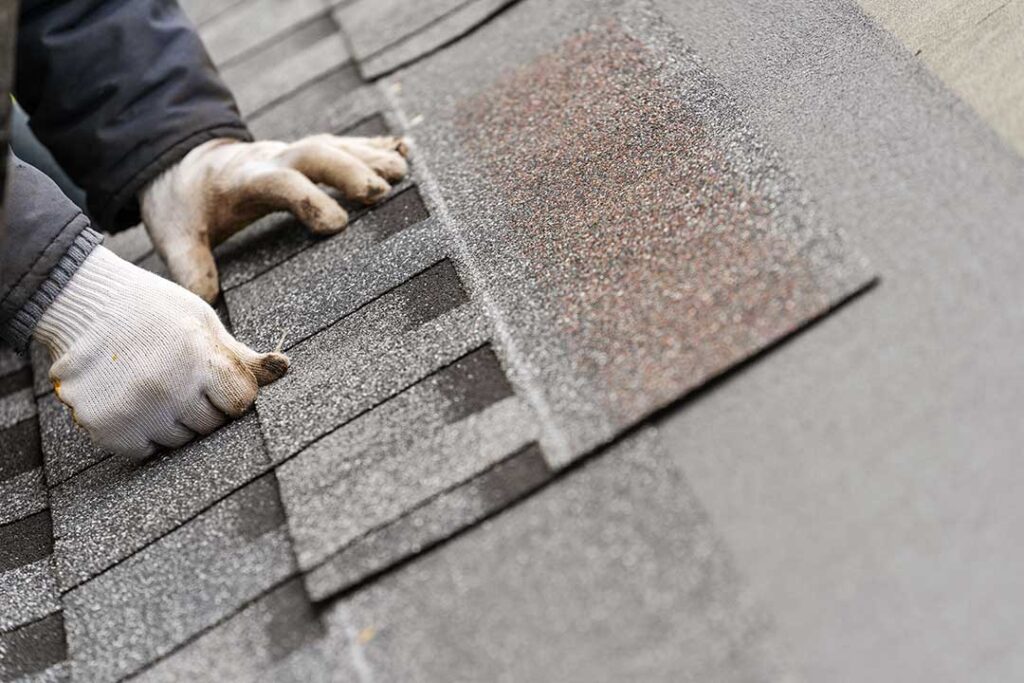
Before leaving home for a few days or several weeks, a quick roof and attic inspection can help reduce the chance of leaks, ice-related damage, and emergency problems. In Mexico, NY, vacation planning should account for changing weather, including heavy rain, strong wind, freezing temperatures, and snow during the colder months.
What should be checked before leaving the house?
The most useful pre-vacation inspection covers the roof surface, drainage system, attic, and nearby trees. The goal is not to perform major repairs before a trip, but to identify visible conditions that could worsen while the home is unattended.
From the ground, look for:
- Missing, lifted, cracked, or visibly damaged shingles
- Areas where the roof appears uneven or sagging
- Loose flashing around chimneys, vents, skylights, and roof edges
- Gutters pulling away from the roofline
- Downspouts that are disconnected or blocked
- Tree limbs resting on or hanging directly over the roof
- Stains, peeling paint, or damp areas on exterior walls and ceilings
Do not climb onto a roof that is wet, icy, snow-covered, or steep. A ground-level inspection using binoculars is safer and can reveal many problems.
Why do gutters and downspouts matter during vacation?
Gutters and downspouts direct water away from the roof and foundation. If they are clogged with leaves, seed pods, or roofing debris, rainwater can overflow against the fascia, siding, foundation, or basement walls.
Before leaving, confirm that:
- Gutters are clear enough for water to flow freely
- Downspouts discharge several feet away from the foundation when possible
- Elbows and extensions are firmly connected
- Water is not pouring over one section of the gutter during rainfall
- No section of the gutter is holding standing water because it has lost its slope
This check is especially useful in areas with mature trees and during fall weather. A single heavy storm can expose drainage problems that may not be obvious during dry conditions.
Should roof damage be repaired before a trip?
Visible damage does not always require the same response, but active leaks and openings should not be ignored before leaving. A small roof defect can allow repeated wetting of insulation, rafters, ceilings, and wall cavities.
Conditions that deserve prompt attention include:
- Water entering the attic or living space
- A ceiling stain that is growing or newly appearing
- Missing shingles after recent wind
- Exposed underlayment or roof decking
- A torn or displaced section of flashing
- A large branch that has struck the roof
- Sagging near the roof edge or in the roof plane
A temporary patch may reduce immediate exposure, but it is not a substitute for a lasting repair. Avoid applying caulk or roofing cement over an unknown leak without first determining where water is entering. Water can travel along decking and framing, so the visible stain inside the home may be several feet away from the actual opening.
How should the attic be inspected?
The attic can reveal roof problems before they become obvious inside the house. Inspect during daylight with a flashlight available, and avoid stepping between ceiling joists unless solid flooring is present.
Look for:
- Damp or compressed insulation
- Dark staining on wood sheathing
- Water marks around roof penetrations
- Rusted nails or fasteners
- Mold-like growth caused by persistent moisture
- Daylight showing through the roof deck
- Condensation on the underside of the roof surface
Ventilation problems can also create moisture during temperature changes. Roof vents help release warm, humid air, but they should not be blocked by insulation. Bathroom and kitchen exhaust fans should discharge outdoors rather than into the attic.
If the attic contains signs of active water entry, the source should be addressed before the home is left empty, particularly if rain or snow is expected.

What changes in winter?
Winter preparation requires more than checking for leaks. Snow and ice can create roof stress, blocked drainage, and freeze-related damage while residents are away.
Before a cold-weather trip:
- Check that gutters are secure and free of major blockages
- Confirm that attic insulation and ventilation are not obstructed
- Look for previous ice buildup along the eaves
- Inspect areas around chimneys, vents, and roof valleys
- Make sure tree limbs are not positioned to break under snow or ice
- Keep interior temperatures high enough to reduce the chance of frozen plumbing
Ice dams form when heat escapes into a cold attic and melts snow on the warmer roof surface. The water can refreeze near colder eaves and back up beneath shingles. A common misconception is that roof-edge ice is solved simply by removing visible icicles. Icicles can be a symptom of a larger heat and ventilation problem, and breaking them off from the ground can create additional hazards.
Never use an open flame, salt, or sharp tools on the roof to remove ice. These methods can damage roofing materials, gutters, wiring, and the structure itself.
What should be done about trees near the roof?
Trees add shade and shelter, but branches close to the roof can scrape shingles, drop debris into gutters, or break during wind and wet snow. Before a longer trip, check whether any limbs touch the roof, rest on the gutter, or extend over heavily used roof areas.
Branches that require climbing, chainsaws, or work near electrical lines should not be handled casually. Hazardous tree work may require qualified assistance because falling limbs can injure people and damage the roof, siding, vehicles, or utility lines.
Removing loose debris from the roof is also useful, but avoid walking on shingles unnecessarily. Repeated foot traffic can loosen granules and damage older roofing materials.
What precautions help if a storm occurs while away?
A trusted person should know how to access the home and where the main water shutoff, electrical panel, and heating controls are located. If a severe storm is forecast, that person can check for obvious problems such as:
- A fallen branch
- Missing roofing material
- Water on attic insulation or floors
- Overflowing gutters
- A damaged chimney cap or vent
- A ceiling stain that has appeared since departure
Roof leaks may not be visible from the ground. If someone checks the property after severe weather, the inspection should remain at ground level unless the roof is dry, stable, and safely accessible.
It is also wise to keep photographs of the roof and ceilings before leaving for an extended period. Dated photos can help distinguish pre-existing conditions from new storm damage and make it easier to explain what changed.
How long should a roof inspection take?
A basic ground-level inspection may take 15 to 30 minutes, depending on the size of the home and the number of roof sections. A longer vacation, an approaching storm, or a history of leaks justifies a more thorough check of the attic and drainage system.
The most urgent concerns are active water entry, structural sagging, large openings, storm-struck trees, and unsafe electrical conditions. Those hazards should be addressed before the property is left unattended rather than relying on a temporary visual check.
A careful pre-departure routine—roof surface, gutters, attic, trees, and winter conditions—can help residents leave with a clearer understanding of the home’s condition and fewer surprises when they return.
