

Why Is Proper Shingle Matching Important?
A successful shingle match ensures repairs blend with the existing roof, maintaining both appearance and weather protection. In a residential area like Mexico, NY, where many homes have visible rooflines and varying weather conditions through the year, mismatched repairs can stand out and reduce curb appeal or even impact resale value. Matching also helps preserve the integrity of layered shingles and prevents unplanned leaks from pieced-together repairs.
What Should Residents Look for When Matching Shingles?
Start by identifying the color, shape, and texture of your current shingles. Most roofs in this region use asphalt shingles, which can fade over time, especially after several winters and sunny summers. The important points to check are:
- Shingle color and tone: Compare both sun-exposed and protected areas, as color can fade unevenly.
- Granule size and pattern: Notice the coarseness and distribution of the mineral granules.
- Edge and cut style: Architectural (dimensional) shingles have a layered, textured edge, while traditional 3-tab shingles are flat and uniform.
- Brand and product code: If you know the original installation details, check leftover packaging or receipts for manufacturer information.
Bringing a physical shingle sample from your roof to the supply store—preferably from a less visible eave or damaged piece—often helps.
How Does Weathering Change Shingle Appearance Over Time?
Shingles lose some of their original color due to sun, snow, rain, and wind. In Mexico, with its cold winters and variable weather, even newer roofs can appear aged next to a fresh pack of shingles. This “weathering in” process means that even an exact new-match can appear different for a year or more.
It’s common for new shingles to look darker and more vibrant at first. Over time, these will fade and blend more with the rest of the roof. Some homeowners try to pre-weather or scuff new shingles lightly, though this is rarely perfect. Accepting some short-term color difference is often necessary for small repairs.
What Are Common Mistakes When Matching Replacement Shingles?
Relying only on product names or color swatch cards can lead to mismatches—shingle colors evolve, and paint names rarely reflect the finished look once installed and weathered. Common pitfalls include:
- Assuming all “gray” or “brown” shingles will match, when subtle undertones are often visible from the street.
- Choosing a close lookalike in-store without comparing it to the actual roof under natural light.
- Ignoring the effect of lichen, moss, or dirt which can make shingles appear a different shade—consider cleaning a small area for an accurate match.
Bringing home a few single shingles and laying them next to the repair area is the most reliable comparison method.
Is It Necessary to Replace Entire Sections of Roofing?
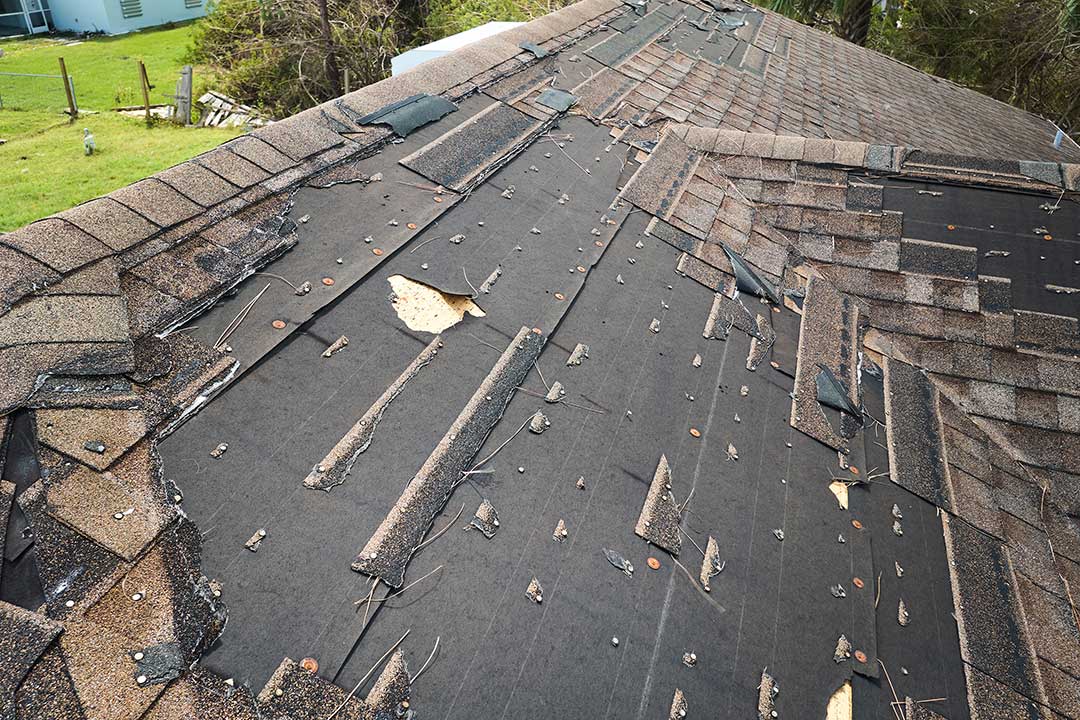
For very visible or large damaged areas, replacing an entire roof plane side may produce better results than patching. Most Mexico, NY homeowners can get reasonable visual results with careful patching if the repair is relatively small (like after a windstorm). For patches in low-visibility spots—such as behind chimneys or dormers—a perfect match is less critical. In high-profile areas above entryways or street-facing slopes, investing more time and materials may be worthwhile.
Can Older or Unavailable Shingles Be Matched?
Shingle styles and colors are discontinued frequently. If you can’t find an exact match:
- Search local suppliers for discontinued stock or ask about “closeout” bins.
- Consider blending—mixing the closest matching shingles in a patchwork pattern, feathering new and old together along the repair edge rather than a harsh line.
- For very old roofs, replacing a wider area and blending edges can disguise the change.
- Keep leftover shingles from new jobs for future repairs; this is especially useful in communities like Mexico where snow, ice, and falling branches can cause scavenger repairs every winter.
Should Residents in This Region Consider Seasonal Conditions When Repairing Roofs?
Timing matters for shingle repairs. In Mexico, heavy snow loads and freeze-thaw cycles can restrict safe access or proper adhesive bonding. Late spring through early fall is usually optimal, with dry, mild days preferred for repairs. Cool, damp weather can prevent sealant strips from activating, leading to loose or wind-blown shingles.
Avoid removing old shingles in late fall when repairs may be left incomplete during sudden storms. Consider that new shingles may stand out more during brighter summer months and blend in better as they weather through a few seasons.
Do Building Codes or Local Guidelines Affect Shingle Choices?
Local building codes in Mexico may specify wind rating, fire classification, and ice dam barriers, especially after recent code updates influenced by changing weather patterns. Check with the municipal code office or reference the New York State building code for residential roofing. Using the wrong type or mis-matched fire rating may violate local codes, not just affect appearance.
Always match material type (asphalt, wood, metal, etc.) and ensure replacement shingles meet or exceed the ratings of the original installation for insurance and resale purposes.
