
What Are the Main Ways to Pay for a New Roof in Mexico, NY?
For many residents, replacing a roof can be a significant household investment. Homeowners in Mexico, NY typically consider a few main options to cover these costs: personal savings, home equity products, loans, and payment plans. Each comes with its own pros, limitations, and eligibility requirements that are worth understanding before making a decision.
How Do Home Equity Loans and Lines of Credit Work?
Home equity loans and home equity lines of credit (HELOCs) are common tools for funding major home projects. They use your house as collateral, often giving access to larger borrowing amounts at lower interest rates compared to unsecured loans. This makes them particularly attractive for sizable costs like roofing.
- A home equity loan provides a lump sum with fixed repayment terms and rates.
- A HELOC works more like a credit card, letting you withdraw funds as needed up to a set limit, typically with variable rates.
Lenders will assess your home’s value and how much equity you have—meaning the portion you truly own after accounting for your mortgage. In a community with a range of older and newer properties like Mexico, approval may depend on your current mortgage balance and recent home values. Residents often use these options for significant repairs when they plan to stay in their homes long term.
Can Personal Loans Be Used for Roof Replacement?
Yes, personal loans are often considered for roofing projects. Local households might turn to banks, credit unions, or online lenders for these unsecured loans. Since these loans don’t require collateral, approval depends on credit history and income rather than home equity.
Personal loans can fund a new roof quickly, but they usually come with higher interest rates and stricter qualification standards. Some area residents use this option to preserve home equity or when they have limited equity but need urgent repairs, such as after a heavy winter storm or wind event common in the region.
What Types of Payment Plans Do Roofers Offer?
Some roofing contractors may offer payment plans spread over several months or years. While these plans can make the up-front cost more manageable, it’s important for homeowners to understand the following details:
- The interest rate or fees involved, which can vary considerably
- Whether payments are handled in-house by the contractor or through a third-party financer
- What happens if you miss a payment
Area residents should always review payment plan terms in detail and compare them to other financing methods before making a choice. In some cases, the total paid through a payment plan can be higher than other options.
Are There Local or State Assistance Programs for Roof Repairs?
In some circumstances, residents may be able to access assistance through government-funded programs. These are generally designed for households who meet specific income or eligibility guidelines, such as seniors, veterans, or those facing urgent safety concerns.
Locally, county or state housing initiatives sometimes provide grants or low-interest loans for necessary repairs, especially if the roof is contributing to health or safety hazards such as leaks, mold, or energy inefficiency during the region’s harsh winters.
Public agencies typically require an application process and may have waiting lists. Proof of income, residency, and a home inspection are often necessary steps. These resources can be especially valuable for those unable to qualify for standard loans or with limited savings.
What About Insurance Coverage for Roof Replacement?
Replacing a roof because it’s old or worn out is usually considered the homeowner’s responsibility and not covered under typical insurance. However, if the roof was damaged suddenly by a qualifying event such as a storm or falling tree, your insurance policy may cover some or all costs.
Residents should:
- Check policy details and coverage limits specific to roofing
- Document damage thoroughly
- Be aware that insurance claims will likely involve an inspection and may include a deductible
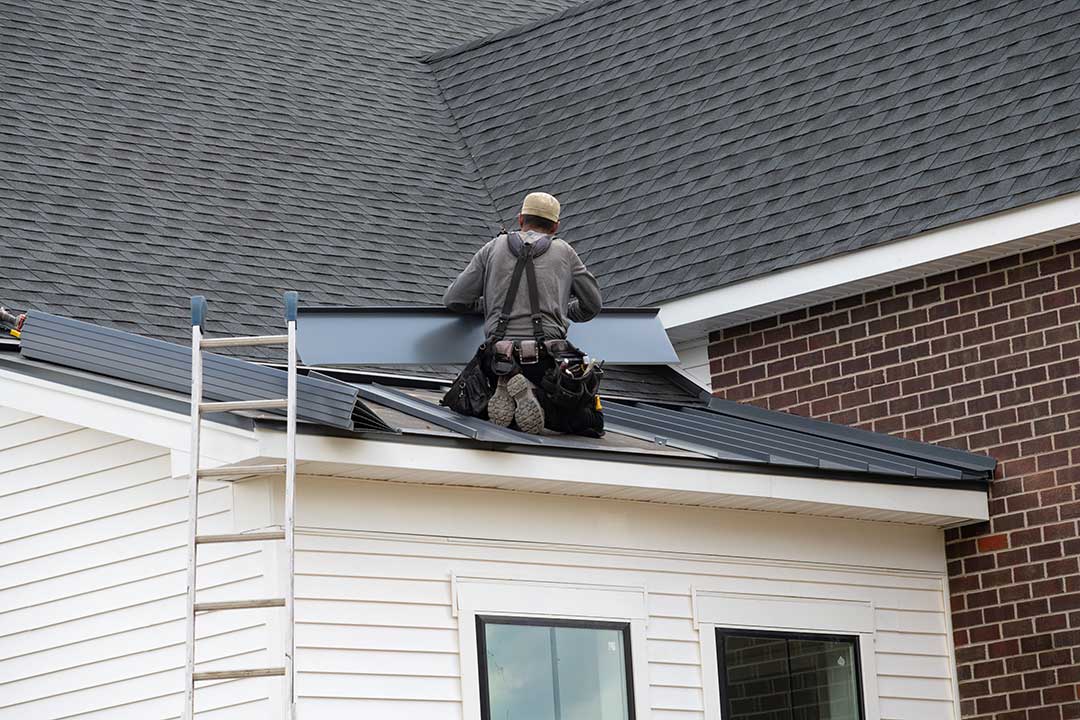
In a place where seasonal storms can impact roofs, it’s not uncommon for area households to explore this route after weather-related incidents.
Common Misconceptions About Roof Financing
Homeowners in the community sometimes misunderstand what financing options are right for their situation. Here are a few typical misconceptions:
- That “zero-interest” payment plans are always cheaper—fees or hidden costs can apply
- That all local banks or credit unions offer home improvement loans; availability varies by institution and borrower profile
- That any home repair grant or program is easily accessible—most programs have strict criteria and limited funding
- That delaying repairs won’t impact financing qualifications—putting off work can cause further damage, making borrowing harder if your home’s value drops
Being aware of these details can help residents make more informed, confident choices about funding this critical home project.
What Should Homeowners Evaluate Before Choosing a Financing Option?
Selecting the right approach depends on several personal and property factors. Before committing, residents should consider:
- The total project cost, including potential unforeseen repairs once the old roof is removed
- Estimated monthly payments and interest over time
- Fees, prepayment penalties, or qualifications attached to each financing choice
- The urgency of the project (for instance, addressing leaks before the next heavy rain or snow)
- How long they plan to stay in the home, as some plans make more sense for long-term residents
Speaking with a local financial advisor, housing counselor, or nonprofit resource can provide additional clarity—especially for residents who need help understanding contract terms or comparing multiple offers.
